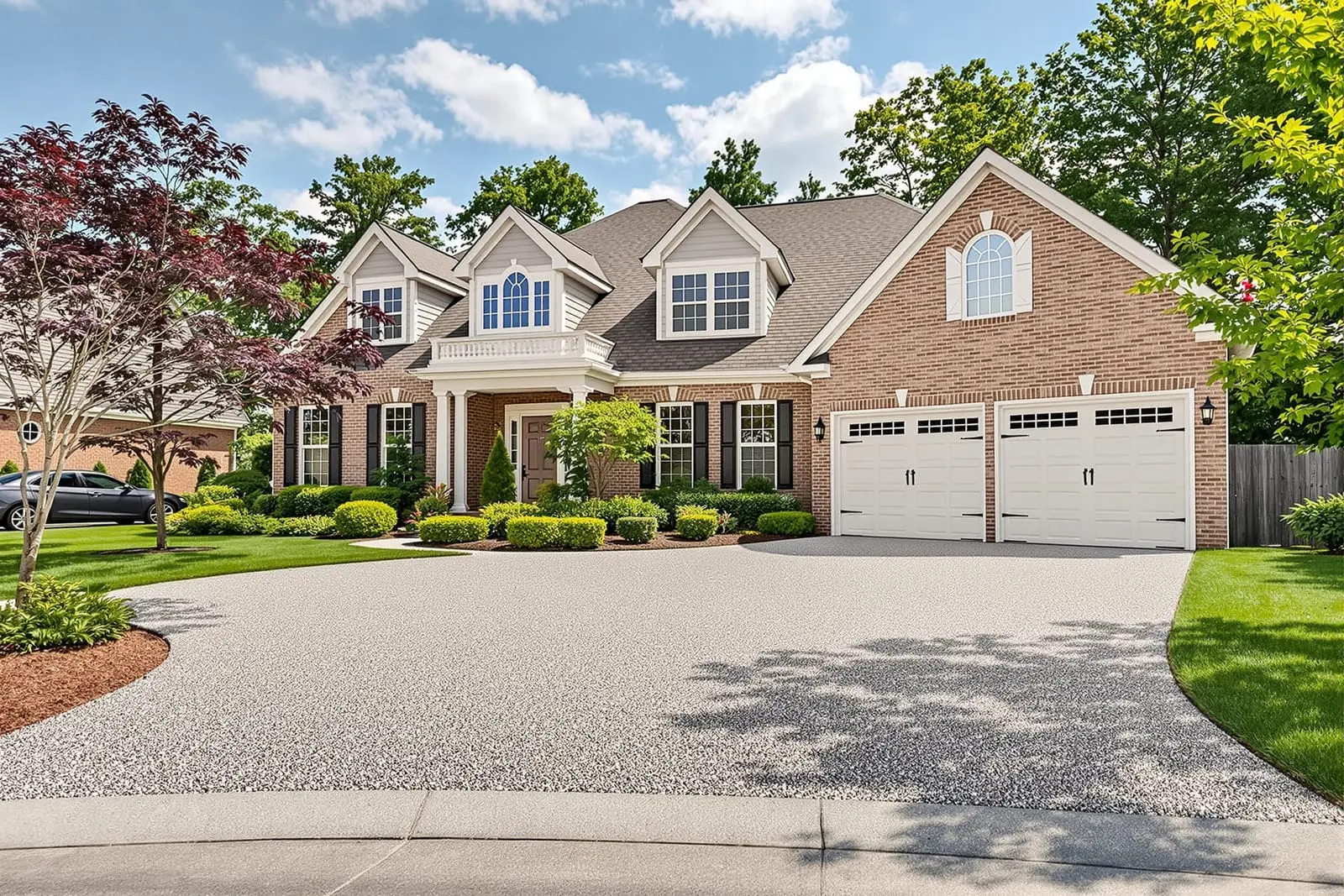
Prestige Asphalt Jackson specializes in gravel to asphalt conversion for driveways across Jackson, MS. We regrade and compact your existing gravel base, then install a smooth asphalt surface that eliminates ruts and dust. Asphalt driveways track less dirt into the house and are easier to plow and maintain. Turn your bumpy gravel lane into a clean, attractive paved drive.
Prestige Asphalt Jackson provides professional gravel to asphalt conversion throughout Jackson, MS and the surrounding area. Our licensed, insured crew delivers safe, clean, on-time work with a free estimate before anything begins. Call (769) 487-1566 or request your free quote.
Turn Your Gravel Drive or Lot Into a Solid Asphalt Surface
If you are tired of ruts, dust, and loose rock, a gravel to asphalt conversion can make your Jackson property much easier to live and work with. Prestige Asphalt Jackson specializes in taking existing gravel driveways, private roads, and parking areas and rebuilding them as smooth, long‑lasting asphalt.
We do not just throw asphalt on top of gravel and hope for the best. A proper conversion in central Mississippi starts with understanding your soil, drainage, and traffic. Clay soils around Jackson hold water and move with our hot summers and heavy rainstorms, so the base has to be rebuilt correctly or the new asphalt will crack and sink.
Our goal is simple: get you a clean, strong, low‑maintenance surface that fits how you actually use the property. That might mean reinforcing the base where garbage trucks turn, tying into a city street, or building a clean edge along your lawn so you are not constantly sweeping rock out of the grass.
How We Convert Gravel To Asphalt, Step By Step
Every gravel to asphalt conversion we do in Jackson follows a clear process so there are no surprises.
1) Site visit and measuring. We walk the drive or lot with you, measure widths and turning areas, look at low spots where water collects, and note any soft or pumping areas in the gravel. If you have trouble spots that stay muddy after a storm, we mark those specifically for extra base work.
2) Grading and stripping. We blade the existing gravel, peel off loose, contaminated rock, and cut down any high spots that might trap water. In some areas we may need to undercut a few inches of soft material and haul it off so we are not building on mud.
3) Base building. Depending on what we find, we typically install a compacted crushed limestone or recycled asphalt base. Around Jackson, a common section is 4 inches of compacted base for light residential drives and 6 inches or more for heavy vehicles. We shape this base with a proper crown or cross‑slope so water runs off instead of sitting on the surface.
4) Compaction and proof‑rolling. Before we ever bring hot mix asphalt, we compact the base with a vibratory roller and truck over it to check for flexing. If the base moves under the truck, we fix that area on the spot. This step is what separates a quick overlay from a conversion that actually lasts.
5) Asphalt laydown. For most Jackson homes, we install 2 to 3 inches of hot mix asphalt after compaction. For commercial lots or drives that see delivery trucks or boat trailers, we may recommend a thicker lift or a two‑layer system (binder course plus surface course) for added strength.
6) Rolling and edges. We compact the asphalt with steel and rubber‑tire rollers to lock the mix together and create tight edges. Where the asphalt meets the street, shop floor, or existing concrete, we build smooth transitions so you do not catch a tire.
7) Cleanup and walkthrough. Before we leave, we sweep up loose rock from the shoulders, check drainage with a water test if needed, and walk the job with you so you know how to treat the new surface while it cures.
What Affects Cost For Gravel To Asphalt Conversion In Jackson
Two gravel drives of the same length can have very different prices in the Jackson area because the conditions underneath are rarely the same. Prestige Asphalt Jackson prices each conversion after a site visit, and here are the main things that move the number up or down.
Base repairs and thickness. If your gravel has been in place for years and is already firm and well compacted, we may be able to reuse most of it as base, which keeps costs lower. If we find deep ruts, soft clay, or areas that pump water when a truck passes, we will need to undercut and rebuild the base with better material. More excavation and more base rock means more cost, but it also means your asphalt will survive our wet winters.
Drainage work. On flat Jackson lots, we often have to regrade ditches, add a shallow swale, or install a pipe under the drive so water can cross without washing away the edge. Simple grading adjustments are inexpensive. Culverts, curb tie‑ins, or working around existing fences or trees can add time and labor.
Traffic type and access. A light residential driveway that only sees cars and pickups can use a thinner asphalt section than a commercial lot with delivery trucks or garbage trucks. The heavier the vehicles, the thicker the asphalt and base need to be. Tight backyards, long narrow lanes, or sites where trucks cannot turn easily may also add to the labor because we have to bring in smaller equipment.
Finish options. Straight functional drives with simple edges are the most economical. If you want wider parking pads, clean straight lines along landscaping, or added thickness at the street tie‑in, that changes the material and time involved. We give you options in writing so you can decide what is worth it for your property.
Local Climate, Timing, And Common Problems We Solve
Jackson weather directly affects when and how we do gravel to asphalt conversions. Hot summers help with asphalt compaction, but our intense afternoon storms can flood a site if drainage is wrong. Winters here are usually mild, but we get enough freeze‑thaw cycles that any standing water under the pavement will push it up and crack it.
Because of that, Prestige Asphalt Jackson puts a lot of focus on water control. We build slope so rainfall moves off the drive or lot, not toward your garage or house. In low‑lying areas that see repeated ponding, we may recommend raising the drive slightly with extra base or cutting a shallow swale along one side to carry water away.
Common problems during conversion include soft shoulders, hidden mud pockets, and buried organics like roots or stumps. These do not show up until we start grading. When we hit them, we stop, show you the issue, and replace the bad material with compacted base so it does not become a pothole later.
Scheduling also matters. For most Jackson properties we prefer to pave when daytime temperatures are at least in the upper 50s and rain is not forecast. If we are in a hot stretch, we may start early in the morning so the asphalt has time to cool and set before heavy use. We will advise you on when you can drive on it, usually within 24 hours for cars, a bit longer for heavy trucks.
Before we start, we ask that you mark irrigation heads, private utilities, and any underground features like French drains. That way we can protect them or plan around them instead of discovering them with a blade or roller.
What You Should Decide Before You Call Prestige Asphalt Jackson
A little planning on your side makes a gravel to asphalt conversion smoother and often saves money. Before we visit your Jackson property, think through how you actually use the space, not just how it looks right now.
Traffic and parking patterns. Do you regularly back trailers, boats, or RVs into the drive. Do delivery trucks or work vehicles come in frequently. Tell us where they turn and park so we can widen those spots and beef up the base where it matters most.
Entrance and layout. If you struggle getting in and out onto a busy Jackson street, this is the time to adjust the entrance angle or add a flare so turning is easier. We can often fix tight corners or blind spots while we are grading for the new pavement.
Budget and trade‑offs. There is usually more than one way to design a conversion. For example, we can keep the drive narrower but increase asphalt thickness, or widen it for easier parking but keep a standard section. Prestige Asphalt Jackson will lay out these choices in plain numbers so you see what you are paying for.
Future maintenance. A new asphalt surface will last longest if water is kept off it and heavy loads are not parked in the same spot every day. We explain sealing options, expected lifespan for your specific use, and small things you can do, like avoiding spinning tires in one place or using plywood under jacks and trailer stands.
When you are ready, we will come out, walk the site with you, explain exactly what will happen from the first blade of grading to the final roller pass, and provide a written plan and price for your gravel to asphalt conversion so you can make a clear decision.
“
Professional gravel-to-asphalt conversions, done right the first time, quality materials, honest pricing, and results that last.
Prestige Asphalt Jackson
Gravel-to-Asphalt Conversions Across Our Service Area